Why Raccoons Target Attics in April: Expert Tips for Miami Valley Homeowners
Why Raccoons Target Attics in April: Expert Tips for Miami Valley Homeowners
April is the month when raccoons become highly active throughout Dayton, Troy, Montgomery County, and Miami County. While raccoons can cause issues year-round, their behavior changes dramatically in early spring, making homes more vulnerable than ever. To understand how to protect your property, it helps to know why raccoons aggressively target attics during this season and what expert steps homeowners should take to prevent major damage.
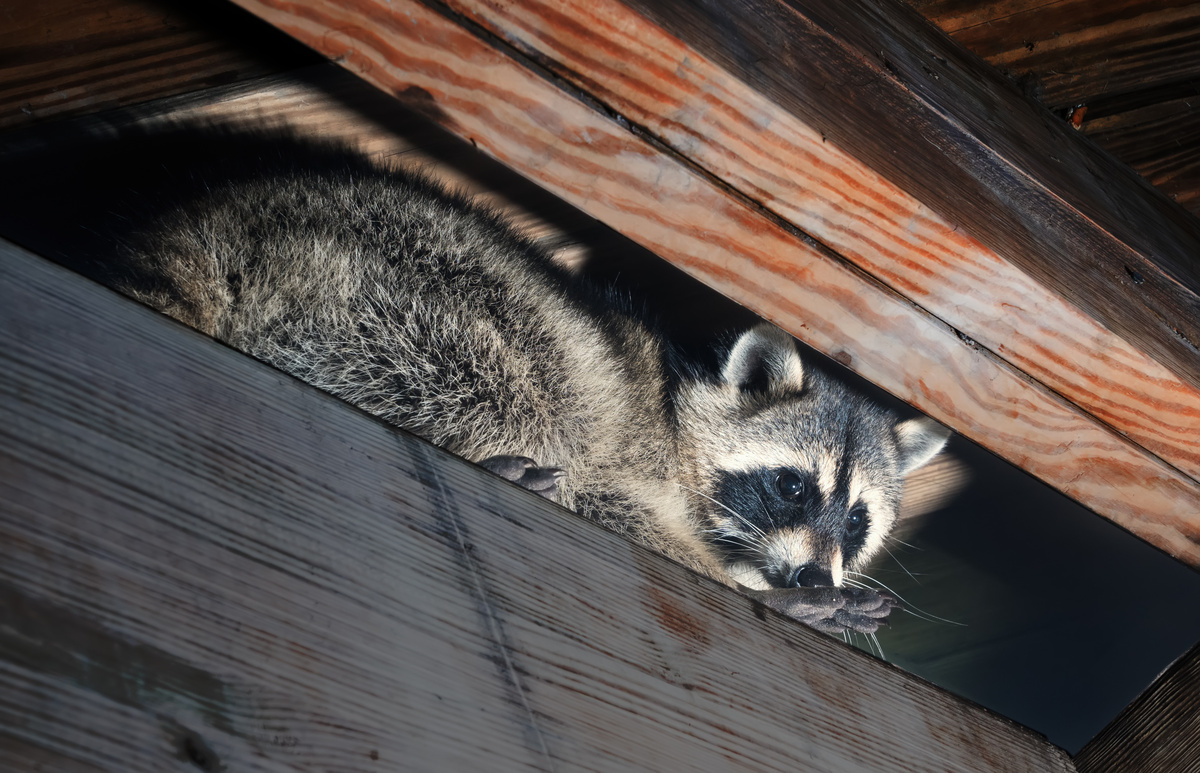
Raccoons seek out attics for one main reason in April: they are looking for a secure nesting location to raise their new litter of kits. A typical raccoon litter includes 3–5 babies, and finding a warm, protected, hidden space is essential to their survival. Attics are ideal nesting sites because they mimic natural den environments but offer even more protection from predators and harsh weather.
During April, female raccoons become highly persistent. They may climb siding, trees, gutters, or downspouts to access high points along the roofline. They look for weaknesses such as loose soffits, damaged vents, rotted fascia, or gaps created by previous weather damage. If no openings exist, raccoons have the strength to tear open new ones using their jaws and claws.
Once inside, raccoons cause extensive damage surprisingly quickly. They flatten insulation, create nesting burrows, and contaminate materials with droppings. Their weight and activity can damage wiring, drywall, ductwork, and support structures. Raccoon droppings pose health risks, and their urine has a strong odor that can seep into the living space. If kits are present, removing them becomes delicate and time-sensitive.
The most common early warning signs include night-time thumping, vocalizations, scratching, or movement in the attic. Outside the home, homeowners may notice torn shingles, broken soffit pieces, muddy pawprints on downspouts, or damaged attic vents. Even one small access point can allow a mother raccoon to enter.
By mid- to late-April, babies are usually present. Because kits cannot move or survive independently, a trained expert must handle their removal. Attempts to trap or scare the mother away often result in abandoned babies, which can lead to severe odor issues or even structural damage as the mother tries to re-enter forcibly.
Expert exclusion is the safest and most effective solution. A wildlife professional inspects the roofline, identifies the exact entry point, and determines where the nest is located. After removing the mother and her kits safely, the expert installs exclusion materials that raccoons cannot tear through, such as steel mesh, reinforced metal flashing, and heavy-duty vent covers.
April is the ideal month to take proactive steps, as raccoon activity intensifies heading into May. With expert intervention, homeowners can secure their homes for the entire year and avoid the expensive repairs that raccoons often cause.