Why May Is Prime Bat Entry Season in Dayton & the Miami Valley
May is one of the most active months for bat movement across Dayton, Troy, Miami County, and Montgomery County. As temperatures rise and insect populations surge, bats leave their winter roosts and begin searching for new, stable habitats. Unfortunately, that search frequently leads them straight into Ohio homes—specifically attics.
While bats are beneficial to the ecosystem because they consume large numbers of insects, homeowners don’t want them living inside their structures. May is the month when bat entry issues dramatically increase, making early detection and expert exclusion services essential.
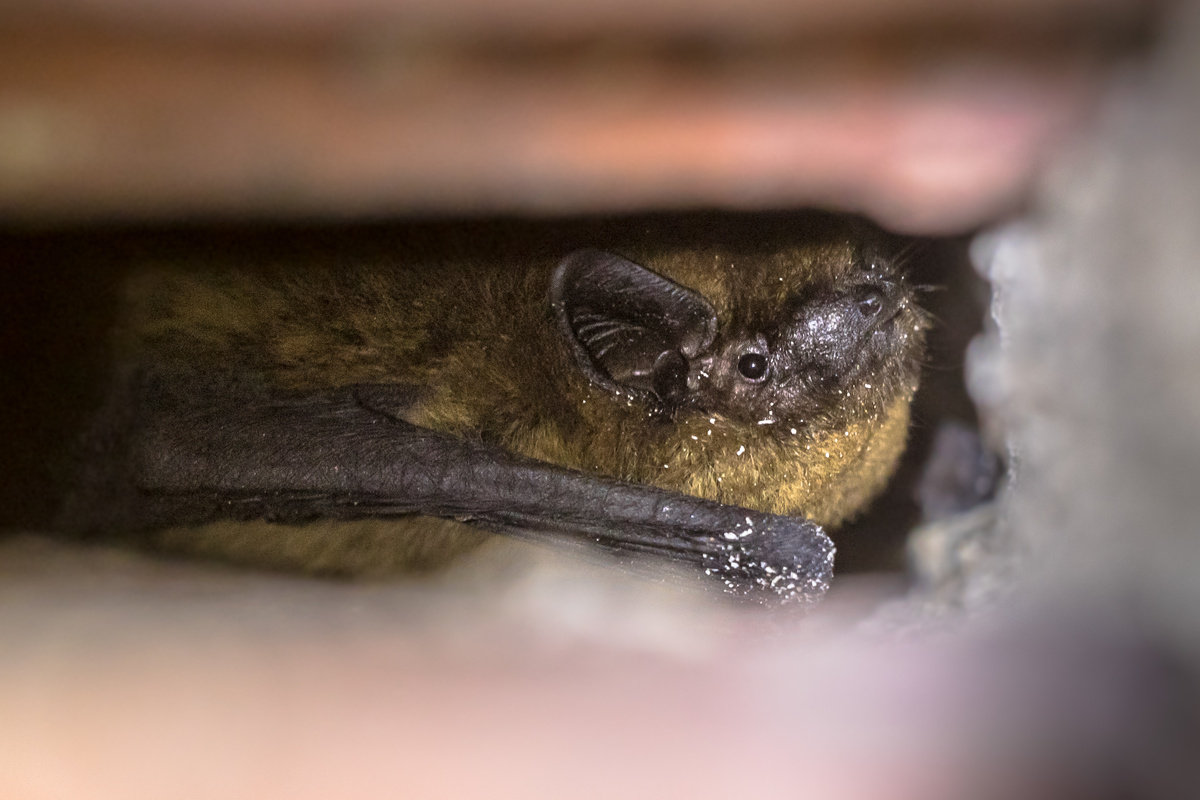
In spring, bats commonly form maternity colonies. These groups typically consist of female bats preparing to give birth. A warm, quiet attic provides the perfect habitat because it mimics the safety of a natural cave. Small gaps in roofing materials, chimneys, eaves, siding, and attic vents are all potential entry points. What makes bats especially challenging is that they can slip into a hole as small as ⅜ of an inch—barely the width of your finger.
One of the first signs homeowners may notice is a faint scratching or fluttering sound, usually at dusk or just before dawn when bats leave to feed and return. In other cases, homeowners spot bats flying around the roofline at sunset. Another major warning sign is the presence of guano (bat droppings) accumulating beneath the entry hole or inside the attic. Guano builds up quickly and poses serious health risks if not handled correctly.
During May, bats are not yet in full maternity season, which is why this month is crucial for addressing issues early. Once baby bats are born in June, they are unable to fly for several weeks, making removal impossible until they mature. Allowing bats to remain in your attic until late summer results in more contamination, more guano accumulation, and more structural damage.
Attempting DIY bat removal is ineffective and can be dangerous. Standard traps do not work for bats, and sealing entry points prematurely can trap bats inside walls or attic spaces, ultimately leading to severe odor problems, further structural damage, and unsafe conditions. Only an expert understands proper one-way exclusion techniques that allow bats to exit safely while preventing their return.
In addition to removal, professional-grade exclusion includes sealing gaps, reinforcing vulnerable areas, installing bat-proof screening, and inspecting the attic for contamination. Guano cleanup must be handled carefully due to the risk of airborne bacteria and fungal spores. An expert uses proper protective gear and high-grade sanitation equipment to ensure attic spaces are safe to inhabit again.
With May marking the start of Ohio’s active bat season, homeowners should take preventative measures now. A detailed exterior inspection, attic assessment, and expert exclusion service can stop a small bat entry issue from turning into a full-blown colony invasion.