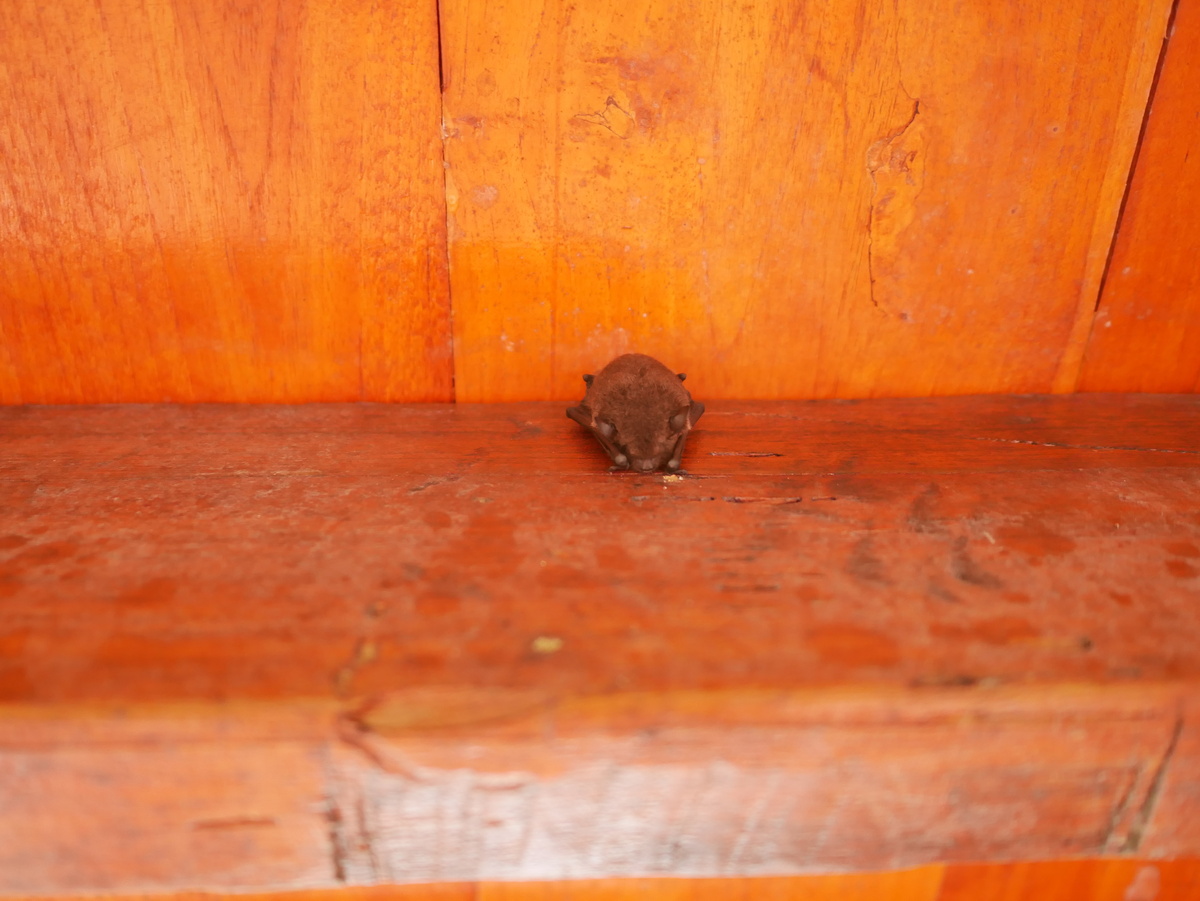
Why June and July Mean Increased Bat Activity in Dayton and the Miami Valley
Why June and July Mean Increased Bat Activity in Dayton and the Miami Valley
July brings warm temperatures and high insect activity, creating ideal conditions for bats across Dayton, Troy, Beavercreek, and surrounding Miami Valley communities. While bats are beneficial for controlling insects, they often roost in residential structures, particularly attics, creating potential health risks, odor issues, and structural damage. Understanding seasonal behavior and acting early with expert help is essential for homeowners.
Why Bat Activity Peaks in July
By July, young bats are learning to fly, and maternity colonies remain active in attics and other sheltered areas. Bats are nocturnal and feed heavily at dusk, hunting mosquitoes, moths, beetles, and other flying insects. Attics provide a safe, warm, and undisturbed environment during the day, making them perfect roosting sites.
Even a small entry point, such as a 3/8-inch gap around a vent, soffit, or roofline, is sufficient for bats to enter. Once inside, colonies grow rapidly, and the accumulation of guano and urine becomes a significant concern for both odor and sanitation.
Signs of Bat Infestations in July
Homeowners may notice:
-
Fluttering or scratching noises in the attic at dusk or dawn
-
Sightings of bats entering or exiting the roofline
-
Accumulation of small dark droppings (guano) near windows or vents
-
Oily smudges around roof edges and soffits from repeated contact
-
Unexplained odors resembling ammonia inside or near the attic
Early detection allows homeowners to act before maternity colonies reach full size and contamination becomes severe.
Expert Bat Removal and Exclusion
Dealing with bats requires special expertise due to legal protections and health risks. Professional wildlife experts follow these steps:
-
Inspection: Identify entry points, colony size, and affected areas
-
Safe Exclusion: Install one-way exit devices that allow bats to leave but prevent re-entry
-
Cleanup: Remove guano safely with protective equipment and disinfect affected areas
-
Exclusion & Prevention: Seal vents, roofline gaps, and soffits with materials bats cannot penetrate
-
Ongoing Monitoring: Ensure bats do not return after removal
DIY attempts can result in bats being trapped inside or illegal handling, which can be dangerous and ineffective.
Why July Is Critical
Maternity colonies in July are at their peak. If bats remain in attics, they can cause structural damage, foul odors, and attract secondary pests such as bat bugs. Early intervention by an expert prevents long-term damage and protects your home from recurring infestations.
July is a critical month for bat activity in Dayton, Troy, and the Miami Valley. Homeowners should monitor for early signs, including noises and droppings, and contact an expert for safe removal and exclusion. Proactive action ensures a clean, safe, and bat-free home throughout the summer.