The Season of New Life and New Pest Problems
Spring is a time of renewal. The days are getting longer, flowers are blooming, and animals are coming out of their winter hiding spots. While many people welcome this season with open arms, homeowners should be aware that spring also brings an increase in wildlife activity—especially as animals begin having their young. Unfortunately, when these animals seek shelter to raise their babies, they often turn to homes, attics, and crawl spaces, leading to costly damage and potential health hazards.
At 7 Star Animal Control & Repairs LLC, we understand the importance of protecting your home from unwanted animal guests. In this post, we’ll discuss the types of animals that become a problem in spring, the damage they can cause, and how you can prevent them from invading your home.
Spring Brings New Life—And New Problems
As the temperatures rise, many animals emerge from hibernation or migrate back to their breeding grounds. During this time, they look for safe, warm places to give birth and raise their young. Your home provides the perfect shelter—away from predators, harsh weather, and other threats.
Some of the most common wildlife species that invade homes in spring include:
Raccoons
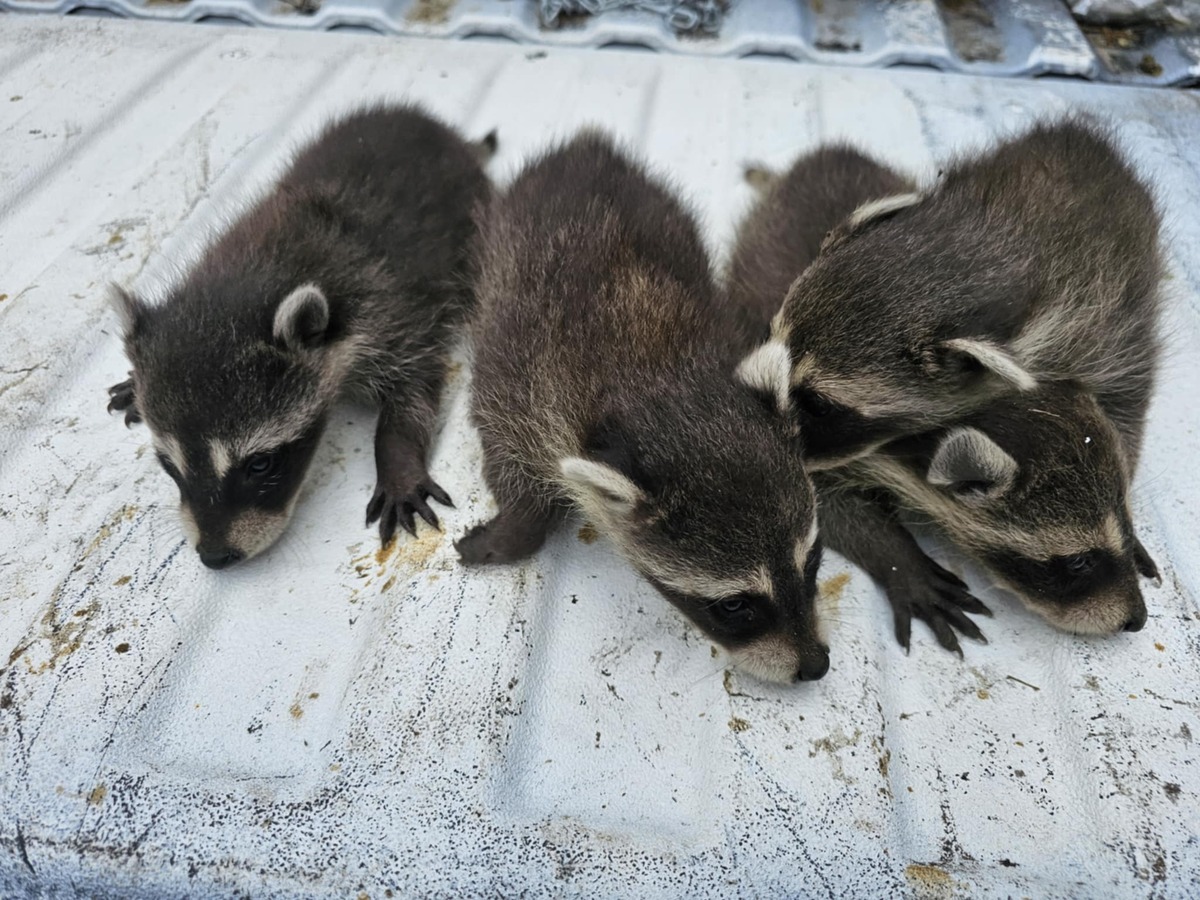
Raccoons are notorious for breaking into attics, chimneys, and crawl spaces. Female raccoons, known as sows, often seek out warm, quiet spaces to give birth. They can tear through vents, rip apart soffits, and even damage shingles to gain entry. Once inside, they build a nest and give birth to a litter of kits. The damage from their nesting habits, urine, and feces can lead to expensive repairs and potential health risks, including the spread of diseases like rabies and raccoon roundworm.
Squirrels
Squirrels become particularly active in the spring, as females give birth to their first litter of the year. These rodents are known for squeezing through small openings in roofs and eaves to build nests inside attics. Squirrels chew constantly to keep their teeth sharp, which means they can gnaw through electrical wiring, insulation, and wooden beams. This can lead to fire hazards and structural damage.
Bats
Bats are another species that seek out attics and barns to raise their young. Since baby bats, called pups, cannot fly for the first few weeks of their lives, mother bats need a secure, undisturbed space. Bats in the home can create a serious health risk due to their droppings (guano), which can harbor dangerous fungi that cause respiratory diseases like histoplasmosis.
Birds
Birds also look for safe nesting spots in the spring, often building nests in chimneys, vents, and gutters. While birds may seem harmless, their nests can block airflow in vents, creating fire hazards. Additionally, bird droppings can damage siding and roofing materials, leading to costly repairs.
Skunks
Skunks typically give birth in burrows, but they may also dig under porches, decks, and sheds to create a den. Besides their unmistakable odor, skunks can damage foundations and landscaping while searching for food.
Opossums
Opossums are scavengers that can take shelter under homes, in garages, or in attics. They often carry parasites like fleas and ticks, which can spread to pets and humans.
The Damage Wildlife Can Cause to Your Home
Once animals take up residence in your home, they can cause significant damage, including:
- Structural Damage: Animals like raccoons and squirrels can tear through shingles, vents, and soffits, creating entry points for other pests and moisture, which can lead to mold and rot.
- Electrical Hazards: Squirrels and other rodents chew on electrical wiring, increasing the risk of house fires.
- Insulation Contamination: Urine and feces from wildlife can ruin attic insulation, leading to foul odors and health risks.
- Health Hazards: Many wild animals carry diseases, parasites, and bacteria that can be transmitted to humans and pets through droppings, bites, or contaminated surfaces.
- Noise Disturbances: The sounds of scratching, chirping, or thumping in the attic or walls can be disruptive, especially at night.
How to Protect Your Home from Springtime Wildlife Invasions
Prevention is key when it comes to keeping wildlife out of your home. Here are some steps you can take to reduce your risk:
1. Inspect Your Home for Entry Points
Check your roof, attic, vents, soffits, and foundation for gaps or holes that could allow animals to enter. Even small openings can be an invitation for pests like squirrels and bats. Seal any gaps with durable materials like metal flashing or hardware cloth.
2. Secure Trash and Food Sources
Raccoons, skunks, and opossums are attracted to food scraps. Use animal-proof garbage cans with tight-fitting lids, and avoid leaving pet food outside overnight.
3. Trim Trees and Shrubs
Overhanging branches provide easy access for squirrels and raccoons to get onto your roof. Trim branches at least 6-8 feet away from your home to make it harder for them to gain entry.
4. Install Chimney and Vent Covers
Chimneys and vents are prime nesting spots for birds and raccoons. Install secure covers to prevent animals from entering.
5. Keep Your Yard Clean
Remove fallen fruit, compost piles, and debris that might attract wildlife looking for food and shelter.
6. Act Quickly if You Suspect an Infestation
If you hear unusual noises, notice droppings, or see signs of damage, contact us immediately. Removing wildlife can be dangerous and should be handled by trained experts who can safely relocate animals and seal entry points.
Call the Experts for Safe and Humane Wildlife Removal
Springtime wildlife invasions can lead to costly repairs and health risks. At 7 Star Animal Control & Repairs LLC, we specialize in humane wildlife removal and exclusion services to keep your home safe. If you suspect animals are nesting in your home, don’t wait—contact us today for a thorough inspection and professional removal services.
Let’s make sure your home is for you, not for unwanted wildlife!