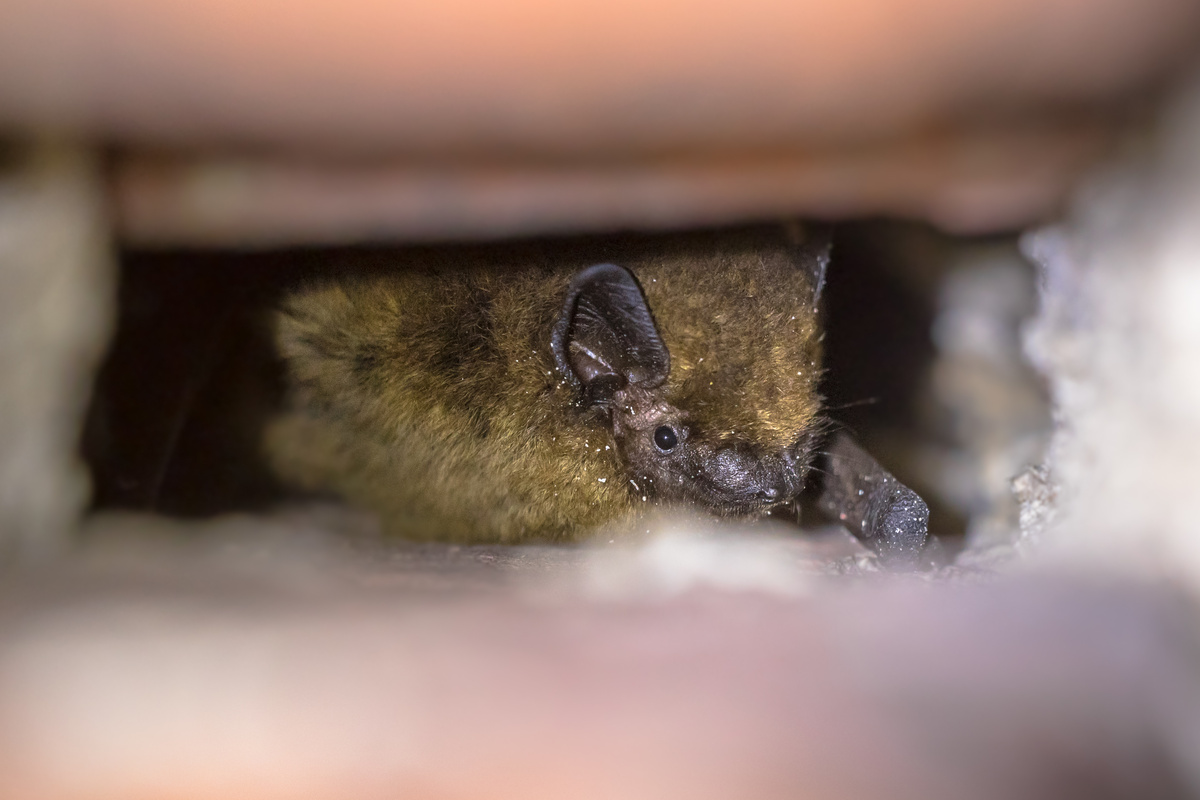
Bat Activity Rises in May Across the Miami Valley: What Homeowners Need to Know Before Summer
Bat Activity Rises in May Across the Miami Valley: What Homeowners Need to Know Before Summer
May marks a major turning point for bat activity across Dayton, Troy, Beavercreek, Tipp City, and the wider Miami Valley. As nighttime temperatures rise, bats become significantly more active—feeding, migrating, and seeking secure roosting locations where they can give birth and raise their pups. For homeowners, this means an increased risk of bats entering attics, soffits, vents, and gaps along the roofline.
Many people don’t realize how common bat encounters become this time of year. With several protected bat species living in Ohio, proper timing and expert handling are critical. Understanding why bats behave differently in May helps homeowners stay ahead of costly attic contamination and structural issues.
Why Bat Activity Increases in May
As spring weather stabilizes, female bats enter maternity season. During this period, pregnant bats search for warm, insulated spaces that mimic the safety of natural caves or hollow trees. Unfortunately, residential homes provide perfect microclimates for raising pups.
Attics in Dayton and Troy reach ideal temperatures in May, making them attractive roosting sites. Even a gap as small as 3/8 inch can allow bats inside. Increased bug activity also contributes to their movement—mosquitoes, moths, beetles, and other nighttime insects provide abundant food sources throughout Ohio’s late spring.
Common Signs of Bats Inside or Near a Home
1. Noises in the Attic at Dusk or Dawn
Bats are most active during transitional light periods. Homeowners may hear faint fluttering, squeaking, or scratching around sunrise or sunset.
2. Small Dark Droppings (Guano)
Bat droppings accumulate near entry points or below roosting areas. Guano can crumble into powder and may appear scattered on insulation or window sills.
3. Dark Stains Around Roof Gaps
Oily marking around soffits, ridge vents, and roof joints indicates repeated bat entry. The grease from their fur leaves a visible smudge.
4. Bats Flying Around at Dusk
Seeing multiple bats circle your home at sunset suggests that they may be roosting nearby or already inside.
Risks of Bats in Attics
While bats are beneficial for insect control, they pose serious risks when they get inside a home:
-
Guano buildup can damage insulation and cause odor issues
-
Ammonia fumes from urine can spread through HVAC systems
-
Bats often return yearly without proper exclusion
-
Pups cannot fly in summer, limiting removal timing
-
Secondary pests, like bat bugs (similar to bedbugs), may appear
Because bats are protected in Ohio, handling them improperly can lead to legal and health complications. This makes expert removal essential.
Why May is the Best Time for Inspection and Prevention
May falls just before bats give birth. Once pups are born in June and July, exclusions must be carefully timed to avoid trapping young bats inside. This makes spring inspections crucial—acting early prevents maternity colonies from forming in the first place.
Wildlife experts can identify entry points homeowners never notice, such as:
-
Loose fascia boards
-
Gaps around gable vents
-
Openings in ridge vents
-
Spaces between roof shingles
-
Construction gaps in older homes
Sealing these areas before summer prevents months of bat activity inside your home.
How to Protect Your Property in May
Homeowners can take these proactive steps:
-
Check upper rooflines for gaps
-
Inspect attic insulation for droppings
-
Reduce outdoor lighting (which attracts insects)
-
Repair loose siding or soffits
-
Keep chimney caps secured
-
Schedule a professional bat inspection
DIY solutions often make the problem worse or violate Ohio wildlife regulations. A bat control expert uses specialized one-way exclusion devices that allow bats to exit safely but prevent re-entry.
May is the ideal time for Dayton, Troy, and Miami Valley homeowners to prepare for increased bat activity. With warmer nights, abundant insects, and maternity season approaching, bats are actively searching for safe roosting sites—and homes make an inviting option. By recognizing early signs and contacting a wildlife control expert for proper inspection and exclusion, you can protect your property from structural damage, contamination, and recurring bat issues throughout the summer.