April Raccoon Kit Season in Dayton: What Homeowners Must Know Before Damage Occurs
April Raccoon Kit Season in Dayton: What Homeowners Must Know Before Damage Occurs
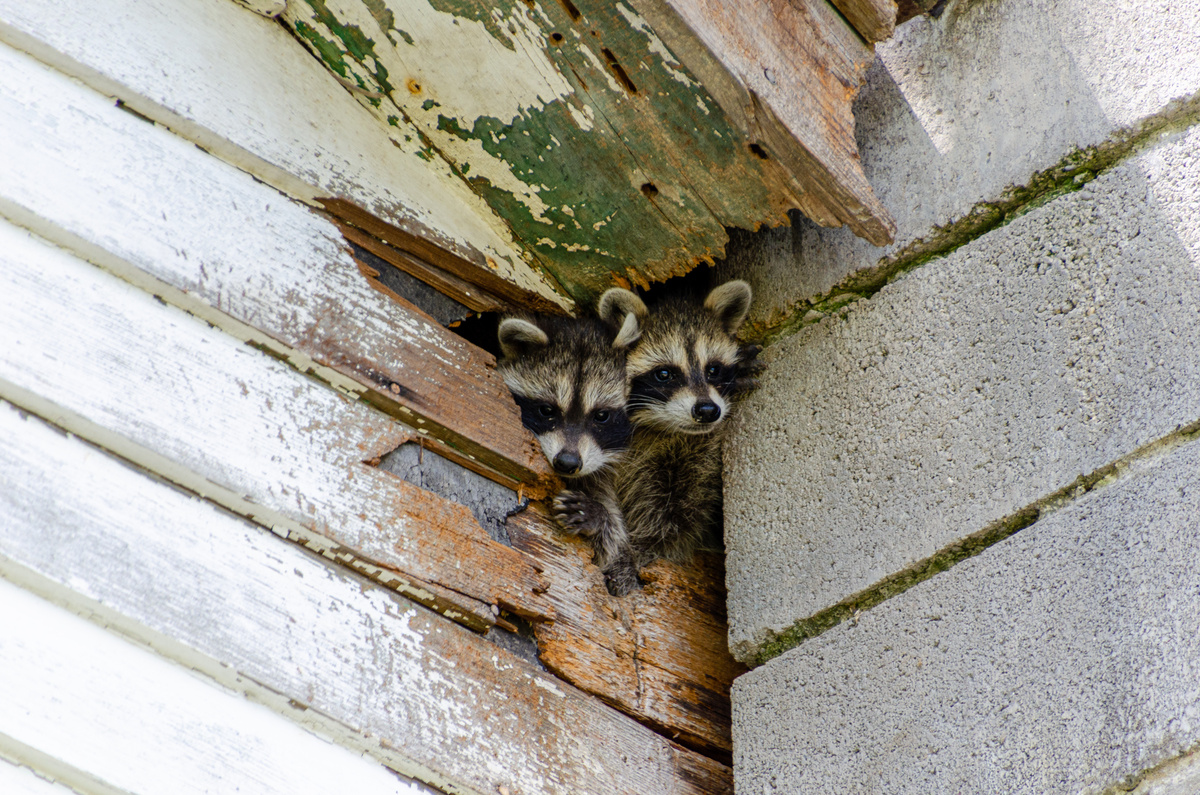
April is one of the busiest wildlife months in southwest Ohio, and for homeowners in Dayton, Troy, Miami County, and Montgomery County, raccoon activity can escalate quickly. This month marks the height of raccoon birthing season, when mother raccoons begin searching for safe, warm areas to raise their young—known as kits. Unfortunately, attics provide exactly the environment raccoons are looking for, making homes across the Miami Valley especially vulnerable.
Raccoons are strong, intelligent, and highly determined animals. When a female raccoon is preparing to give birth, she becomes even more motivated to find a protected nesting site. Attics offer insulation, warmth, darkness, and safety from predators—everything a mother raccoon wants. To access these areas, raccoons may rip open shingles, tear through roof decking, break attic vents, or push into weak points around eaves and soffits. In many cases, homeowners may first notice the issue when they hear thumping, scratching, or growling sounds at night.
Once inside, a mother raccoon wastes no time creating a nest. She tears insulation into piles, moves attic materials around, and may bring in leaves or debris to build a secure space. When the kits are born, the noises inside the attic typically increase. Kits make chattering or squeaking sounds, while the mother moves around frequently as she leaves to forage and returns to care for her babies.
In addition to noise, raccoon nesting causes significant structural damage. Their weight can crush insulation, they may tear open ductwork, and their droppings and urine create severe contamination risks. Raccoon feces may contain dangerous pathogens, and the strong odor can seep into living spaces. The longer raccoons remain in an attic, the more complicated and costly the cleanup becomes.
April is a critical month for identifying raccoon issues early. Homeowners should listen for unusual attic sounds and inspect the exterior for torn soffits, missing shingles, or damaged vents. Raccoons prefer quiet, rarely accessed attic spaces, so even minor sounds or new scratching noises should not be ignored.
Because kits cannot walk or survive on their own, expert raccoon removal is essential. Attempting DIY solutions during birthing season can separate the mother from her young, leading to hidden kits dying in the attic or a mother raccoon becoming aggressive. An expert will identify entry points, locate the nest, remove the animals and seal the home with exclusion materials strong enough to keep raccoons out for good.
With raccoon activity at its highest in April, this is the ideal time for homeowners to act quickly. Preventing or resolving a raccoon invasion now can protect your home from thousands of dollars in damage and keep your attic safe, clean, and secure throughout the year.